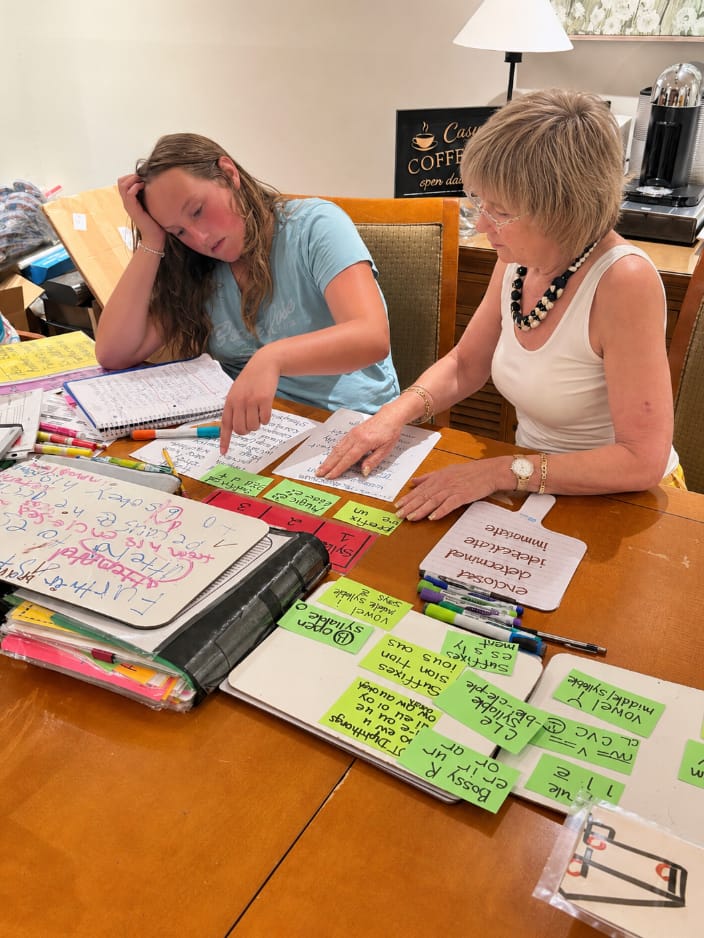
When a child is behind in reading, the instinct is often to find “a tutor.” But a reading specialist and a general tutor are not the same thing, and understanding the difference can save families a lot of time, money, and heartache.
What a general tutor typically does
A general tutor is often wonderful at helping with homework, reviewing what was taught in class, and keeping a child on track. They reinforce the existing curriculum. For many children, that support is exactly what they need.
What a reading specialist brings
A reading specialist is trained to diagnose why a child is struggling and to teach reading itself — not just review it. Rather than doing more of the same homework, a specialist steps back and rebuilds the foundation using a structured, explicit approach grounded in how the brain learns to read.
- Specialized training in the science of reading and structured literacy
- The ability to identify specific skill gaps, not just symptoms
- A systematic scope and sequence rather than ad-hoc help
- Multi-sensory methods designed for struggling and dyslexic readers
Why the difference matters
If a child struggles because of gaps in decoding or phonemic awareness, more homework help won’t close that gap — it may even deepen the frustration. Structured literacy instruction targets the root cause. That’s why a specialist can help a child who has plateaued despite lots of well-meaning support.
A tutor helps a child keep up. A reading specialist helps a child learn to read — often for the first time in a way that truly clicks.
How to choose
Look at the training and the method. Ask whether the person is certified in a structured literacy approach like Orton-Gillingham, whether instruction is multi-sensory, and whether they can explain their scope and sequence. If your child has struggled despite regular help, a reading specialist is often the missing piece.
Wondering if your child needs this kind of help?
A free consultation is the easiest way to find out.